In How Buildings Learn , Stewart Brand points out the “double reality” of the word building itself: “It means both ‘the action of the verb build’ and ‘that which is built’–both verb and noun, both the action and the result.” This wordplay captures a special reality of buildings: that they are conceived as being unchangeable, and yet are always in a state of change.
Houses are a particular paradox. We expect them to serve as long-term, if not permanent, shelter—the word “mortgage” even has the prefix mort, death, implying that the house will live longer than we will—but we also expect them to shift in response to our needs and desires. As Christopher Alexander writes in his treatise The Timeless Way of Building, “You want to be able to mess around with it and progressively change it to bring it into an adapted state with yourself, your family, the climate … to reflect the variety of human situations.”
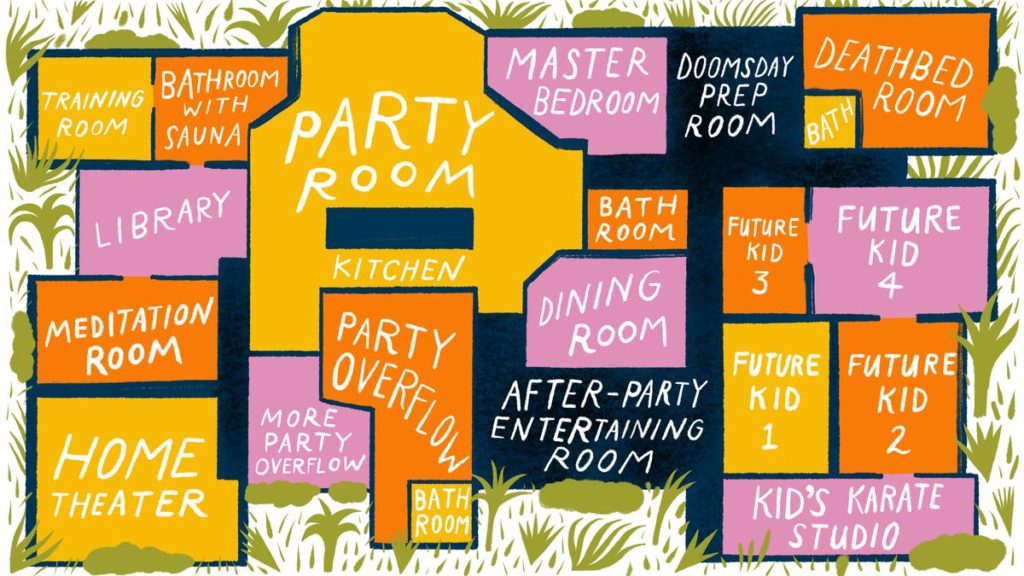
That is exactly what we want—and we’ve gone about it in exactly the wrong way. We’ve ended up with overstuffed houses that attempt to anticipate every direction our lives could go, when what we need are flexible houses that can adapt to the lives we’re actually living.
But flexibility rarely comes up, as Brand points out in his book, in the fevered brouhaha of building and architectural consumption. And if we’re going to rethink how flexible our houses are, we need to do so at the level of our structures and the way they are built.
Building houses that grow with us