fbpx
22121 Canyon Crest Dr Mission Viejo, CA 92692 +1 949-632-4347

Using your home’s equity to pay off credit card debt is a dumb move
Using your home's equity to pay off credit card debt is a dumb move

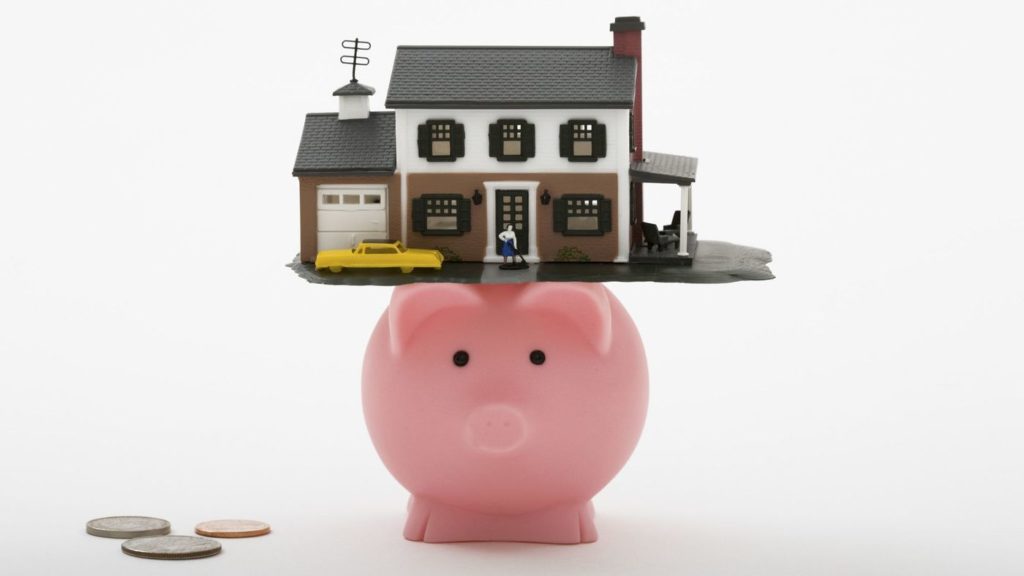
Your house isn’t a piggy bank, so don’t use your home equity to pay off credit card debts.

Dear Liz: My ex-husband is a self-employed carpenter who just turned 64. He’s gotten a bit over his head with his credit cards. He tried for a home equity loan since he has plenty of equity and high credit scores. His mortgage lender says he doesn’t make enough money and that he needs a co-signer.

He owes only $50,000 on the house and needs about $40,000 to pay off his bills. Why should he be punished for working hard all these years? This is crazy and stupid. Is a reverse mortgage the way to go for him?

Answer: Possibly, but it’s concerning that he has so much credit card debt. Too often people who tap their home equity to pay off debt wind up worse off in a few years. They don’t fix the problem that caused the debt in the first place, so they continue to overspend — but now they have less of a home equity cushion to fall back on in case of emergency.

That’s especially true with a reverse mortgage. These loans allow people 62 and over to borrow against their home equity without having to make payments or repay the loan until they sell, move out or die. However, any amount they borrow and don’t repay will grow over time, typically at a variable interest rate. People who use reverse mortgages to pay off debt early in retirement can wind up unable to access their equity later, when they may need it more.


Related articles

What Is PITI and Why Does It Matter When Applying for a Mortgage?

What Is PITI and Why Does It Matter When Applying for a Mortgage?

If you’re shopping for a mortgage, you’ll hear the term PITI. But what does PITI mean, and why does it matter?  Shopping for a mortgage can be confusing because lots of unfamiliar words are often used by your lender or found in financial paperwork. Early on in the process, one of […]

Learn More
Where Homeowners Are Overleveraged

Where Homeowners Are Overleveraged

With mortgage rates falling and the buyer’s market in full swing, some potential homeowners might be tempted to go ahead and buy before they’re ready. This could lead to a borrower becoming overleveraged, and owing more than they should. In a report, WalletHub found which U.S. cities have the highest percentage of […]

Learn More
How to Improve Your Credit Score Before You Buy a House

How to Improve Your Credit Score Before You Buy a House

If you’re hoping to buy a house soon, one little number you’ll want to bring up to snuff is your credit score. Your credit score is a numerical summary of your credit report, a detailed document outlining how well you’ve paid off past debts—to your credit cards, college loans, and […]

Learn More

Leave a Reply

Your email address will not be published. Required fields are marked *