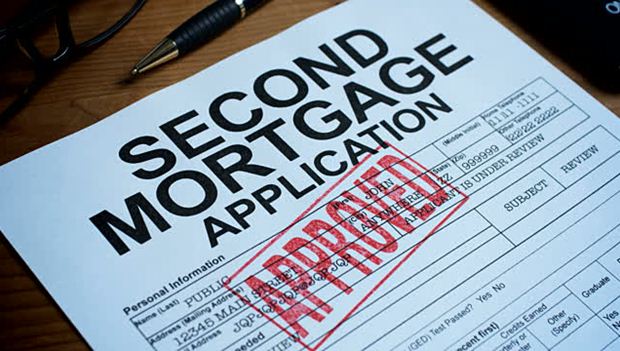
If you have a first mortgage, and you’ve thought about consolidating your debt or financing a big purchase or home improvements, you might have thought about taking out a second mortgage. A second mortgage loan — where you borrow against your home’s value — can give you the cash you need for important financial goals.
However, they’re not for everyone. A second mortgage comes with some risk. Find out how second mortgages work and what you should be aware of before submitting an application.
Quick navigation:
What is a second mortgage?
A second mortgage is a form of loan where the loan collateral is your home. You can borrow against your home’s equity to get the amount of money you need for major expenses or big purchases.
Your home’s equity is the house’s current value minus what you still owe on the mortgage. For example, if your home is worth $300,000, and you still owe $200,000, your home’s equity is $100,000.
There are two different types of second mortgages:
- One-time loan: One-time second mortgages (like a home equity loan) are disbursed as a lump sum, and typically have a fixed interest rate and fixed repayment term.
- Revolving line of credit: Instead of getting a one-time loan, this type of loan — a home equity line of credit (HELOC) — allows you access to a credit line as you need it.
What can a second mortgage be used for?
Second mortgages can be used for whatever purpose you need, but in general, it’s a good idea to save them solely for essential purchases rather than luxuries or splurges. That’s because your home serves as collateral; if you can’t repay the loan then your house can be foreclosed on.
That said, there are occasions when taking out a second mortgage might make sense for you:
- You want to consolidate your debt. If you have higher interest rate debt, such as credit card balances or medical bills, using a second mortgage for debt consolidation can help you save money. Because the second mortgage is secured by your home, you might get a lower interest rate, helping you pay off your debt faster.
- You have a huge home repair project. If you have a major home repair, such as a new roof, you can use a second mortgage as a potentially low-interest form of financing.
- You’re facing medical bills. If you have medical procedures coming up, you know how expensive they can be. A second mortgage can help you pay for those procedures, and finance them over the course of several years.
Pros and cons of second mortgages
• You gain access to low-interest loans
• You can have up to 30 years to repay your debt
• Your interest payments are tax deductible (with certain caveats, of course)• The bank could foreclose on your home
• Your home’s value could go down; leaving you “underwater” on your housePros of second mortgages
If you’re considering taking out a second mortgage, there are some definite pros to doing so.
1. You’ll get a lower interest loan
Because your second mortgage is secured by collateral, it’s more likely that you’ll qualify for a lower interest rate than you would get with an unsecured personal loan or credit card. With lower rates, you’ll pay less in interest over time, helping you save money on major expenses.
2. You’ll have more time to repay your debt
With personal loans, the maximum loan term is usually around seven years. With a second mortgage, loan terms can be as long as 30 years. With longer terms, your monthly payments will be lower, making them more affordable each month.
3. Your interest payments are tax deductible
According to the IRS, the current tax law allows you to deduct the interest you paid on a second mortgage as long as the loan doesn’t exceed $100,000. How much you can deduct is dependent on your individual situation and income bracket, so it’s a good idea to contact a tax professional before claiming the deduction.
Cons of second mortgages
While second mortgages can be useful, there are some downsides to keep in mind.
1. You’re putting your home up as collateral
With a second mortgage, your home is your collateral. If you can’t keep up with your mortgage payment, the bank could foreclose on your home.
2. Your home’s value could decline
While real estate is usually viewed as a sound investment, there’s no guarantee that your home’s value will increase over time. If the housing market dips again, you could end up owing more on your home than it’s worth if you take out a second mortgage.
Applying for a second mortgage
If you’re looking for a low-interest way to finance a major purchase or expense, a second home mortgage can be a smart solution. However, make sure you completely understand the potential implications involved before moving forward to minimize the risk of putting your home in jeopardy.
If you decide a second mortgage isn’t right for you, another similar option to consider is cash-out refinancing. This involves tapping into your existing home equity and refinancing into a larger loan. The new loan typically has a lower interest rate — just remember that the rate applies to the entire new loan balance.
[…] Click here to view original web page at www.credible.com
Pros and Cons of Getting a Second Mortgage